Add Primo Capital as a preferred source for more UAE property news, market insights and real estate updates on Google.
Imagine standing on a balcony overlooking Dubai’s dazzling skyline, where modern towers blend with desert charm. The city’s real estate market is as vibrant as its vistas, and Dubai property market trends 2025 weave a story of growth, innovation, and opportunity. Whether you’re a first-time buyer or a seasoned investor, this dynamic market invites you to explore its luxurious, sustainable, and promising future. Let’s uncover the chapters shaping Dubai’s real estate journey.
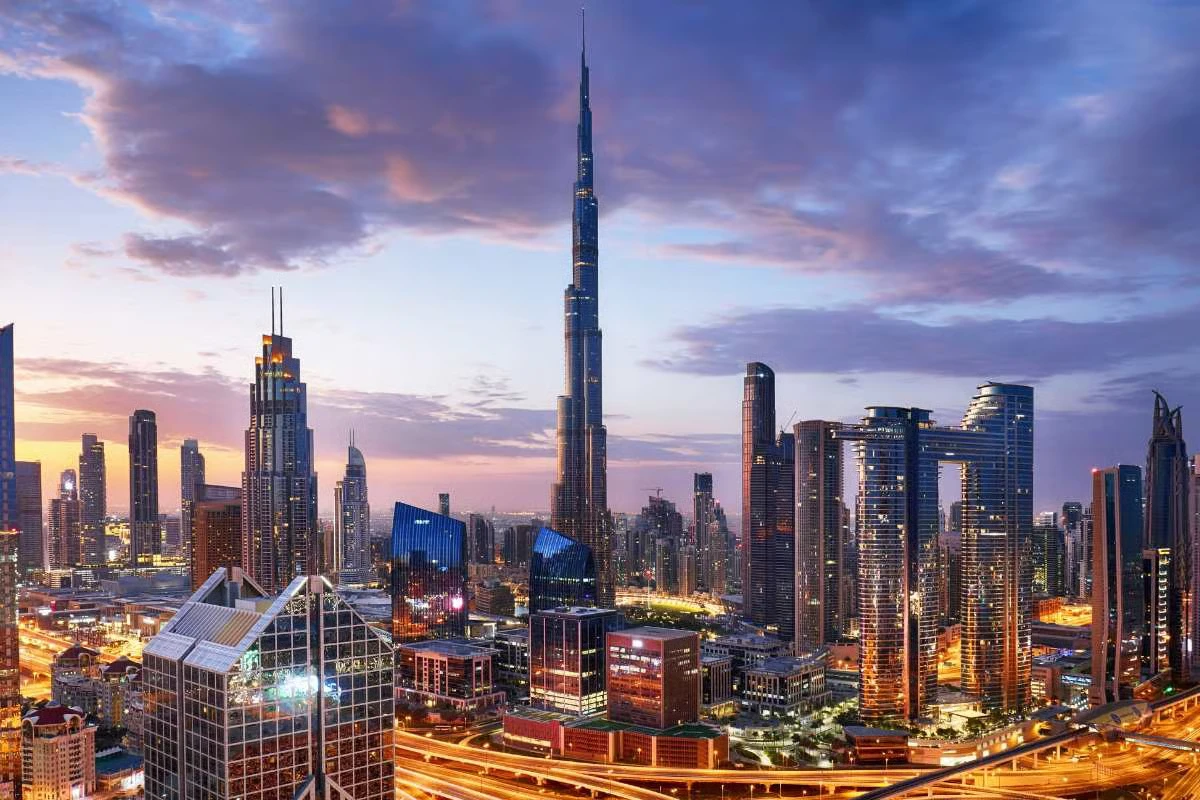
Dubai’s real estate market is a bustling tapestry, alive with possibility. In 2024, the city recorded 226,000 transactions worth AED 761 billion, a 36% surge in volume from the previous year. This momentum flows into 2025, fueled by a population nearing 4 million and policies like Golden Visas and zero property taxes. Dubai real estate market trends highlight a focus on sustainability and smart technology, with eco-friendly communities like Dubai Sustainable City gaining prominence. Buyers seek properties with AI-powered security and IoT-enabled homes, merging luxury with innovation.
The luxury segment shines brightly. Areas like Palm Jumeirah and Downtown Dubai remain in high demand, with significant price growth driven by affluent buyers. In 2024, 948 transactions involved properties valued at AED 15 million or more. Meanwhile, mid-range and affordable housing in areas like Dubai Sports City and Jumeirah Village Circle offer 7% average rental yields, attracting diverse investors. Ready to dive in? Explore the latest properties for sale in Dubai to find your perfect match.
Rewind to 2014, when Dubai’s property market buzzed with excitement for Expo 2020. Prices averaged AED 956 per square foot, with investments totaling AED 109 billion. By 2024, the average price per square foot soared to AED 1,524, a 51.9% rise over the decade. Dubai property prices last 10 years reflect resilience, with a dip from 2016 to 2019 due to oversupply, followed by a swift post-COVID rebound, especially for luxury properties. In 2021, sales reached AED 151.07 billion, and by 2024, villa prices surged significantly, with top communities like Jumeirah Islands and Palm Jumeirah leading the charge.
This growth showcases Dubai’s enduring appeal. Investors from India, the UK, and Russia have invested billions, drawn by high returns and a tax-free environment. The past decade proves Dubai’s ability to thrive through global challenges, making it a beacon for long-term gains.
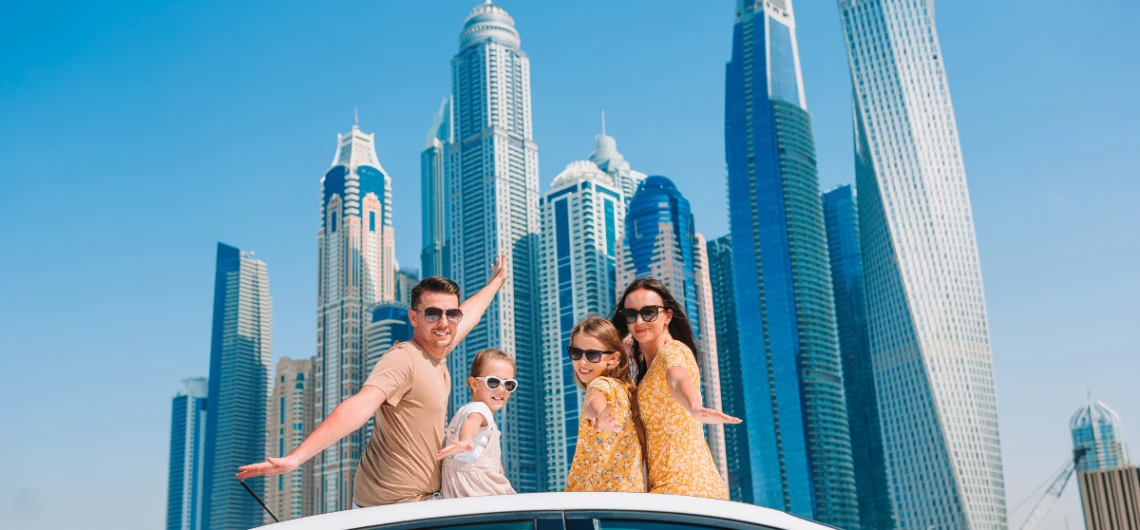
Looking to 2026, Dubai’s real estate market balances ambition with stability. Experts predict steady price growth of 5-8% in 2025, though a significant influx of new units, potentially tens of thousands annually, may moderate increases. Dubai real estate market forecast 2026 suggests stabilization as supply aligns with demand, particularly in mid-range segments. However, prime areas like Palm Jumeirah and Emirates Hills will likely retain their allure due to exclusivity.
Fitch Ratings warns of a potential 10-15% price correction in late 2025 or 2026 due to increased supply, but Dubai’s economic strength, 4.5% GDP growth projected for 2025 and 5.5% for 2026, should soften any impact. Emerging areas like Dubai South and Mohammed Bin Rashid City offer modern infrastructure at competitive prices, creating opportunities for savvy investors.
In July 2025, villa prices reached AED 5.2 million, a 32.2% jump from the previous year, driven by demand for luxury communities like DAMAC Islands, which sold AED 10 billion in just 10 hours. Apartments, however, dipped slightly to AED 1.3 million, reflecting interest in budget-friendly areas like Al Furjan and Arjan. The Dubai housing market 2025 tells a story of contrasts: luxury properties soar, while affordable options cater to expatriates.
Commercial real estate adds another layer. Office spaces in DIFC and Business Bay saw low vacancy rates and strong rental growth, driven by demand for premium locations. Sustainability is also key, with 35% of transactions expected to involve green properties by 2025. Whether you’re eyeing a waterfront villa or a cozy apartment
Every story has its challenges. A significant supply of new units in 2025 and 2026 could lead to oversupply, potentially stabilizing prices in some segments. Investors must also navigate costs like service charges, maintenance fees, and a 4% registration fee. Yet, Dubai’s charms, tax-free ownership, high rental yields, and a thriving tourism sector with 18.7 million visitors in 2024, outshine these hurdles. The city’s strategic location and investor-friendly policies, like relaxed visa rules, keep it a global magnet.
For buyers, partnering with a licensed agent is crucial. Verify their credentials with the Dubai Land Department (DLD) and RERA to ensure expertise. With careful planning, the Dubai housing market 2025 offers a plot twist of opportunity for those ready to invest.
The broader UAE real estate market continues to show robust activity, with UAE property listings reflecting a wide range of options from established homes to new developments. Dubai Off-plan property demand remains particularly strong, driven by attractive payment plans and the promise of modern amenities in upcoming communities, making it an appealing choice for investors and end-users alike.
As the sun sets over Dubai’s iconic skyline, Dubai property market trends 2025 reveal a city pulsating with potential. From luxurious villas to sustainable communities, the market caters to every ambition. With steady price growth, new developments, and a thriving economy, now is the moment to craft your own story.

Property Advisor
With 3 years of experience in Dubai’s real estate sector, Matilda Borgström offers a client-focused approach...
Feel Free to Contact Us at Any Time, We Are Online 24/7